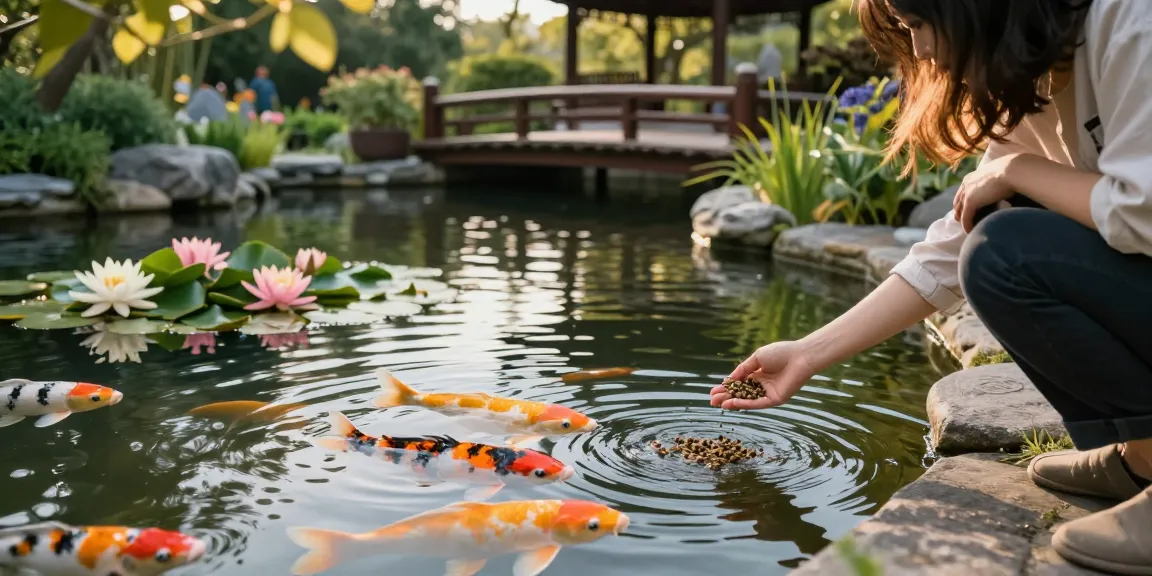
Understanding Koi and Their Habitats
Koi fish are not just ornamental creatures; they are a testament to centuries of breeding and care. Originating from Japan, these colorful fish can become a centerpiece in any garden pond. Their serene movements and vibrant colors offer a sense of tranquility and beauty, making koi keeping a popular passion worldwide. As we delve deeper into the koi world, we will explore their natural habitats, care requirements, and various types available for enthusiasts. This exploration will provide valuable insights that can help you cultivate a thriving koi environment. When exploring options, koiaminos.com provides comprehensive insights on maintaining and nurturing these stunning fish.
What Are Koi Fish?
Koi are a type of domesticated carp, scientifically classified as Cyprinus carpio, and are known for their distinct patterns and colors. These fish can live for decades, with the oldest recorded koi living over 200 years. Koi vary widely in color, size, and pattern, making them highly sought-after by collectors and hobbyists alike. Typically, they are categorized into different varieties based on their coloration and scale types, which include:
- Shiro Utsuri: Characterized by their black and white patterns.
- Sanke: Typically white with red and black markings.
- Kohaku: Recognized by their red and white coloration.
- Showa: Featuring a black base with red and white patterns.
Natural Habitat and Care Requirements
In the wild, koi thrive in slow-moving rivers, ponds, and lakes. Their natural habitat consists of muddy bottoms, where they can dig for food while enjoying the shelter of vegetation. To replicate this environment, koi keepers should ensure a suitable pond setup that includes adequate space, depth, and filtration to maintain water quality. A standard koi pond should ideally have:
- A minimum depth of 3 feet to help regulate temperature.
- A surface area of at least 250 gallons per koi fish.
- A filtration system to manage waste and keep the water clean.
Types of Koi and Their Unique Traits
Understanding the various types of koi can enhance your appreciation and help you choose the right varieties for your pond. Common koi types include:
- Asagi: Blue-scaled koi with red patterns.
- Hikari Muji: Solid metallic koi that shine in sunlight.
- Tancho: Recognized by a single red spot on their head.
Each type of koi has its unique traits, making them appealing to different pond enthusiasts. Selecting koi based on personal preference and compatibility is essential for a harmonious aquatic environment.
Essential Equipment for Koi Keeping
Creating a suitable environment for koi requires careful planning and the right equipment. The needs of koi fish are specific, and investing in quality equipment can ensure the health and longevity of your fish. Koi ponds need to be properly equipped with filtration and aeration systems for optimal living conditions.
Choosing the Right Pond Size and Design
The pond design is pivotal for the well-being of koi. A properly designed pond allows for adequate swimming space, natural behaviors, and healthy growth. When designing your pond, consider:
- Shape: Natural shapes mimic koi's wild habitats.
- Depth: Deeper ponds help control temperature fluctuations.
- Accessibility: Ensure that you can easily access the pond for maintenance and feeding.
Water Quality: Filtration and Aeration Systems
Good water quality is crucial for koi health. An effective filtration system helps reduce harmful toxins, while aeration systems maintain oxygen levels. Key components to include are:
- Mechanical Filters: Remove debris and particulate matter from the water.
- Biological Filters: Support beneficial bacteria that break down ammonia and nitrates.
- Aerators: Introduce oxygen into the pond, essential for fish survival.
Temperature Control and Environmental Factors
Koi thrive best in water temperatures between 65°F and 75°F. To maintain a stable environment, you might need to consider:
- Heaters: In colder climates, these can prevent water temperatures from dropping too low.
- Shades and Covers: Provide shade to prevent overheating in warmer months.
Regular monitoring of water temperature and chemistry is essential for ensuring koi health and preventing stress.
Feeding Your Koi: Best Practices
Feeding is a critical aspect of koi care that directly impacts their growth, color, and overall well-being. The right diet can enhance their vibrant colors and promote healthy growth.
Selecting Quality Koi Food
Choosing high-quality koi food ensures that your fish receive essential nutrients. Look for foods that contain:
- High protein content: Essential for growth and recovery, especially during warmer months.
- Carotenoids: Enhance the coloration of your koi, making them more visually appealing.
- Vitamins and minerals: Support immune function and overall health.
Feeding Schedule and Techniques
Establishing a feeding schedule is crucial for the health of your koi. During summer, feed them 2-3 times a day, while in winter, reduce feeding frequency as their metabolic rates decrease. Adopt the following techniques:
- Feed small portions that fish can consume within 5-10 minutes.
- Observe koi behavior post-feeding to ensure all fish are getting enough food.
Understanding Nutritional Needs and Growth Rates
Different stages of a koi's life require different nutritional needs. Young koi require higher protein diets for faster growth, while adult koi benefit from maintenance diets that focus on color enhancement and health. Tracking growth and adjusting feeding practices accordingly can yield optimal results.
Common Challenges in Koi Care
Even seasoned koi enthusiasts encounter challenges in maintaining a healthy environment for their fish. Understanding potential issues can help mitigate risks effectively.
Identifying and Managing Diseases
Koi are susceptible to various diseases, including:
- Ich (Ichthyophthirius multifiliis): A parasitic infection causing white spots on the skin.
- Fin Rot: Associated with poor water quality, it leads to frayed fins.
- Koi Herpesvirus (KHV): A viral disease with high mortality rates.
Regular health checks and maintaining water quality can significantly reduce the risk of disease outbreaks.
Predators and Environmental Threats
Outdoor koi ponds can attract predators such as herons, raccoons, and cats. Installing protective measures, like netting or decoys, can safeguard your koi. Additionally, be aware of environmental threats like pollution, which may require immediate pond maintenance and water testing.
Seasonal Care Considerations for Koi
Each season presents unique challenges for koi keeping:
- Spring: Time for cleaning and preparing the pond after winter.
- Summer: Monitor water temperature and quality closely; feed more frequently.
- Fall: Reduce feeding as temperatures drop and prepare for winter.
- Winter: Protect the pond from freezing and monitor oxygen levels.
Future Trends in Koi Keeping for 2026 and Beyond
The world of koi keeping is continuously evolving, influenced by advancements in technology and changing environmental conditions. Keeping abreast of these trends can enhance the hobby and ensure sustainable practices.
Innovations in Koi Health Monitoring
With advancements in technology, tools for monitoring koi health are becoming more sophisticated. Smart sensors can track water quality and koi behavior, providing real-time data that can help prevent issues before they escalate. Utilizing apps for health checks and monitoring can simplify the process for hobbyists.
Eco-Friendly Practices in Aquaculture
As awareness of ecological sustainability grows, many koi keepers are adopting eco-friendly practices. Techniques include using natural filtration systems, rainwater harvesting for ponds, and integrated pest management to minimize chemical use. Sustainable practices support not only koi health but also contribute to the protection of local ecosystems.
The Role of Koi in Aquatic Ecosystems
Koi can also play a beneficial role in aquatic ecosystems. By integrating koi ponds with native plants and wildlife, hobbyists can create a balanced biosystem. Understanding the ecological impact of koi can lead to better pond design and practices that promote biodiversity.
What are the best types of koi for beginners?
For beginners, easy-to-care-for varieties include Kohaku, Sanke, and Shubunkin. These types are hardy and adapt well to different pond conditions.
How often should I feed my koi fish?
Koi should be fed 2-3 times daily during the warmer months and less frequently in winter, depending on the water temperature.
What common diseases affect koi and how to treat them?
Common diseases include ich and fin rot. Maintaining water quality and using treatments specific to each disease are essential for recovery.
How do I maintain water quality in my koi pond?
Regular water testing, effective filtration, and ensuring proper aeration are vital for maintaining excellent water quality.
What are the benefits of having koi fish in your garden?
Koi provide visual appeal, tranquility, and can enhance the overall ecosystem of your garden, creating a serene environment for relaxation.