
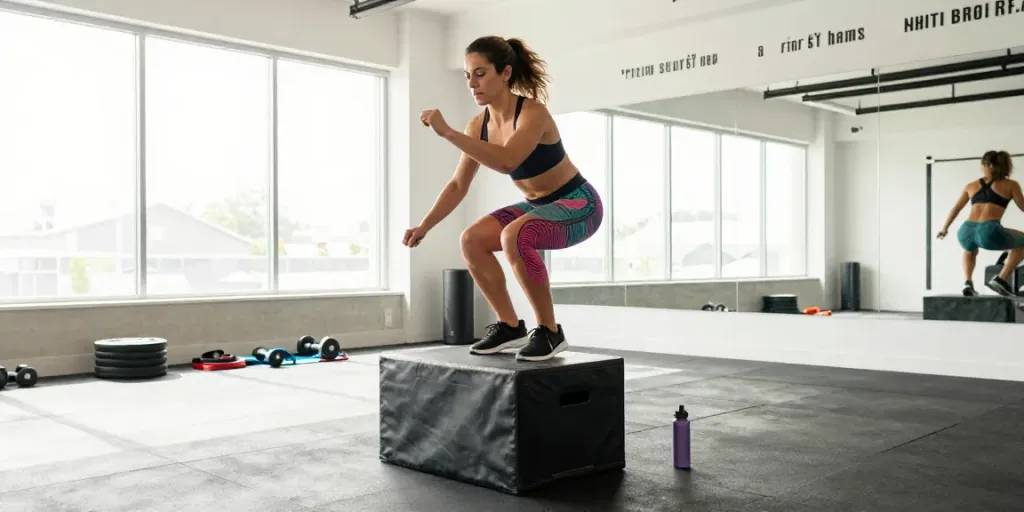
Understanding the Basics of Hopping Exercises
Hopping exercises, particularly the hop over technique, have become increasingly popular in various fitness routines, owing to their versatility and efficiency in building strength, coordination, and agility. Engaging in hopping movements not only enhances performance in sports but also provides numerous health benefits. In this article, we will delve into the fundamentals of hopping, explore its advantages, identify common mistakes, and ultimately guide you on how to master the hop over technique effectively. For those eager to dive deeper into the world of hopping exercises, you can hop over to here for more insights and detailed guidance.
What is a Hop Over Exercise?
The hop over exercise is a dynamic movement that involves jumping over an object, such as a box, bar, or hurdle. This maneuver requires not only physical strength but also balance and coordination. It is frequently utilized in various training regimens, including those for athletes and fitness enthusiasts looking to enhance their overall performance. The hop over is an integral part of plyometric training, which focuses on explosive movements that improve muscle power and efficiency.
Benefits of Incorporating Hopping
- Enhanced Cardiovascular Fitness: Hopping significantly elevates your heart rate, contributing to improved cardiovascular health.
- Increased Muscle Strength: Regularly performing hopping exercises strengthens the lower body muscles, particularly the calves, quads, and glutes.
- Improved Agility and Coordination: Hopping helps develop better footwork and coordination, vital for many sports.
- Enhanced Core Stability: Engaging your core during hopping movements promotes overall stability, which is beneficial for daily activities and sports.
- Injury Prevention: Strengthening muscles and improving coordination can help prevent injuries, especially in high-intensity sports.
Common Mistakes in Hopping Techniques
Many individuals overlook proper technique when performing hopping exercises, which can lead to inefficiency and even injuries. Some common mistakes include:
- Improper Landing: Failing to land softly increases the risk of injury to the knees and ankles. Proper landing should involve bending the knees to absorb the impact.
- Inadequate Warm-Up: Not warming up before hopping can lead to strains and injuries. Always ensure your muscles are properly warmed up.
- Overreaching: Trying to hop over objects that are too high can introduce excessive stress on the body. Start with manageable heights to build confidence and strength.
Mastering the Hop Over Technique
To master the hop over technique, it's essential to follow a structured approach that incorporates proper form and progressive training strategies.
Step-by-Step Guide to Execute a Hop Over
- Start Position: Stand with feet shoulder-width apart, facing the object you aim to hop over.
- Bend Your Knees: Lower your body into a slight squat to prepare for the jump.
- Jump: Push off the ground explosively while swinging your arms upward to gain momentum.
- Clear the Object: Tuck your knees towards your chest as you ascend to ensure you clear the obstacle.
- Landing: Land softly on the balls of your feet, allowing your knees to bend slightly to absorb the impact.
Proper Form and Body Mechanics
Maintaining proper form is crucial in executing the hop over effectively:
- Engage Your Core: Your core should be activated to provide stability throughout the movement.
- Focus on Arm Movement: Let your arms assist in the jump by swinging them upward as you leap.
- Maintain Eye Focus: Keep your gaze forward to help with balance and direction during the jump.
Training Tips for Beginners
If you’re new to hopping exercises, consider the following tips:
- Start Low: Begin with lower obstacles to build confidence and technique before progressing to higher ones.
- Use Soft Surfaces: Practice on softer surfaces, like grass or mats, to reduce impact stress on your joints.
- Incorporate Rest Days: Allow your body time to recover between hopping sessions to prevent overuse injuries.
Incorporating Hopping into Your Routine
Integrating hopping exercises into your workout routine can enhance your overall fitness regimen significantly.
Creating a Balanced Workout Plan
When crafting a workout plan that includes hopping, it’s essential to balance different types of exercises. Combine strength training, flexibility exercises, and cardio to develop a well-rounded routine. Hopping can be incorporated into warm-ups, main workouts, or cool-downs, making it a versatile addition.
Combining Hopping with Other Exercises
For optimized results, consider pairing hopping exercises with:
- Squats: Incorporate squats to build strength in your lower body, enhancing your hop over performance.
- Agility Drills: Work on agility drills, such as lateral shuffles or cone drills, to improve overall coordination.
- Core Workouts: Strengthening your core through planks and abdominal exercises will aid in stabilizing your body during hops.
Scheduling Hopping Workouts Effectively
To make the most of your hopping workouts, consider the timing and frequency:
- Frequency: Aim to incorporate hopping exercises 2-3 times a week.
- Duration: Keep your hopping sessions to around 15-30 minutes for effectiveness without overexertion.
- Variety: Changes in hopping heights and distances can keep your workouts fresh and engaging.
Challenges and Solutions in Hopping
While hopping is beneficial, it’s essential to be aware of potential challenges and how to address them.
Common Challenges in Hopping Exercises
- Fear of Injury: Many beginners feel apprehensive about the risk of injury when performing hops. This can be alleviated by starting slow and learning the technique properly.
- Lack of Coordination: Hopping requires a degree of coordination, which can be challenging for some. Practicing simpler movements can help improve coordination before progressing.
- Physical Discomfort: If you experience pain during hopping, it may indicate improper form or inadequate warm-up. Listening to your body and adjusting your approach is important.
How to Overcome Hopping Obstacles
To address the challenges faced during hopping workouts, consider these solutions:
- Start with Fundamental Skills: Begin by mastering basic jumping and landing techniques before introducing more complex moves.
- Focus on Flexibility: Incorporate stretching and mobility work into your routine to enhance flexibility, which can improve your hopping abilities.
- Consult a Trainer: If unsure about your technique, seeking guidance from a fitness professional can offer personalized tips and corrections.
Injury Prevention Strategies
Injuries can often be avoided by implementing the following strategies:
- Warm-Up: Always include a thorough warm-up to prepare your muscles for the demands of hopping.
- Progress Gradually: Increase the intensity and complexity of your hopping workouts progressively to allow your body to adapt.
- Listen to Your Body: Pay attention to any discomfort or pain and adjust your workouts accordingly to prevent serious injuries.
Future Trends in Fitness and Hopping
As we look towards 2026, the fitness landscape continues to evolve, bringing forth innovative approaches to hopping exercises.
Emerging Techniques in Hopping Exercises for 2026
The approach to hopping exercises is likely to incorporate more technology, with virtual and augmented reality tools assisting in technique refinement and performance monitoring. Training programs that utilize data analytics to assess individual performance metrics may gain traction, helping athletes fine-tune their hopping techniques.
The Role of Technology in Training
Emerging technologies such as wearable devices will likely play a significant role in tracking hopping workouts and analyzing jump biomechanics, providing users with insights on their performance and areas for improvement. This can lead to more individualized training programs tailored to specific goals and abilities.
Innovative Approaches to Hopping in Fitness
Functional training methodologies that integrate hopping exercises with multi-dimensional movements, focusing on real-life applications, will be at the forefront. This holistic approach promotes overall physical literacy and prepares individuals for various physical challenges.
What are the benefits of hopping exercises?
Hopping exercises provide a range of benefits, including improved cardiovascular health, enhanced muscle strength, and better agility. Additionally, they contribute to core stability and injury prevention, making them valuable for athletes and fitness enthusiasts alike.
How can I improve my hopping technique?
To enhance your hopping technique, focus on maintaining proper form, starting with lower obstacles, and progressively increasing the height and complexity of your hops. Regular practice, along with strength and flexibility training, will also contribute to improvement.
What are the best practices for incorporating hopping into workouts?
Integrate hopping exercises into your routine by combining them with strength training and flexibility exercises, ensuring a balanced approach. Schedule hopping workouts consistently, focusing on varying heights and distances to keep your training engaging.
Are hopping exercises suitable for all fitness levels?
Yes, hopping exercises can be modified to suit different fitness levels. Beginners should start with lower obstacles and basic jumping techniques, while advanced individuals can explore more complex variations and higher jumps.
What are some common injuries related to hopping?
Common injuries associated with hopping may include ankle sprains, knee injuries, and muscle strains. Practicing proper technique and gradually progressing in difficulty can help mitigate these risks.